




What Is Molded Pulp Packaging and Why Are Brands Switching to It?
In the year 2026, the world is witnessing a trend towards sustainability. There are 11 states in the US which have passed in order to tackle the problem of plastic pollution. Therefore, more and more companies are opting for sustainable packaging options like molded pulp packaging.
In this blog, we will introduce you to molded pulp packaging and the reasons why companies are switching to it.
What Is Molded Pulp Packaging?
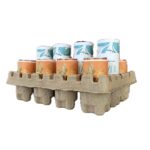
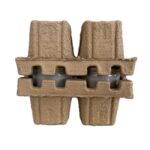
Molded pulp packaging is essentially paper that has been recycled. It is created by combining recycled paper, cardboard and other plant fibers with water to form a “soft pulp”. This pulp is reshaped to various forms and dried to give high-strength packaging.
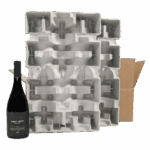
When people hear the word “paper,” they often assume it is not strong enough to protect products. But molded pulp is one of the most popular sustainable packaging material options when it comes to fragile products. It is designed to match the contour and dimensions of your product. This means the packaging firmly fits around the product, removing any risk of damage due to movement.
However, not all molded pulp packaging is of the same grade. Here are four grades you should know about:
- Thick wall: Thick and durable molded pulp with high cushioning effect but rough in texture.
- Thin wall: A lighter, cleaner and smoother packaging with less cushioning.
- Transfer molded: Packaging with one smooth side and one rough side. It is frequently used in eCommerce, because it looks and feels nicer than standard molded packaging and is still more affordable than luxury ones.
- Thermoformed: Superior quality, smooth-surfaced, plastic-like molded pulp for businesses that like a luxurious unboxing experience.
Molded Pulp vs Foam vs Plastic: How Do They Compare?
Plastic, foam, and molded pulp are all great packaging materials. But the major factor influencing the brand choice is recyclability and sustainability.
Foam, also known as EPS, has the strongest shock absorption, but it is not recyclable. In fact, with the newer laws, it is even banned in California and New York.
Plastic trays, commonly known as PET, are durable but most US recycling programs won’t accept them as packaging, and they usually end up in the landfill.
Molded pulp offers protection comparable to Styrofoam while being fully recyclable through most curbside recycling programs and compostable at the end of its life.
According to lifecycle analysis, up until 2026, molded pulp carries 10 to 18% lower CO2 footprint per pack compared to its plastic counterparts. This gives you an edge in today’s green-conscious market. Besides, it is lightweight, hence lowers your shipping cost.
Why Brands Are Switching to Molded Pulp Packaging in 2026
Of course, the first and most apparent reason why companies decide to use molded pulp packaging is compliance with the constantly changing packaging requirements and rules. This is not the only reason though.
Amazon, Target, and Walmart have all published packaging sustainability guidelines. These guidelines penalize brands using non-recyclable foam or plastic inserts.
Also, molded pulp is textured with a premium feel, creating a better-looking product in today’s world of unboxing videos and social media shares that can affect purchasing decisions. Additionally, it will give your brand a competitive edge with the environment conscious consumers.
One additional factor that surprises many brands is the cost. With recycled paper’s input costs being stabilized through 2026, molded pulp is now cost competitive with custom foam at volume.
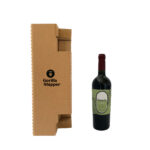
Molded Pulp Wine Shippers: Why They Are the Standard for DTC Wineries
If you sell wine directly to consumers, this section is for you.
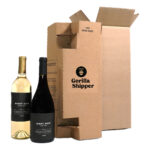
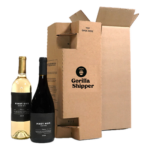
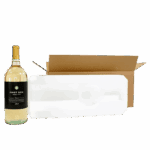
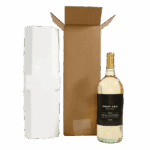
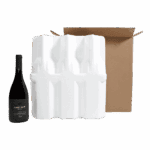
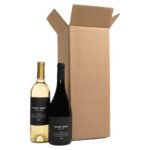
While manufacturing, molded pulp is shaped precisely to the wine bottle’s profile. This kind of custom snug fit ensures that there is no contact with other bottles or movement during transit.
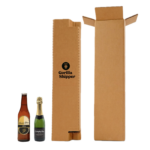
These shippers also come in configurations from 1 bottle up to 12 bottles, so you can scale up or down depending on order size. They are compatible with most standard 750ml bottle formats, including both Bordeaux and Burgundy shoulder styles. However, Champagne bottles and magnums don’t fit in standard 750ml inserts and need their own bottle-specific insert configurations.
Besides this, both FedEx and UPS require inner insert packaging for alcohol shipments. Molded pulp complies with these requirements. Additionally, it also makes your brand look more premium.
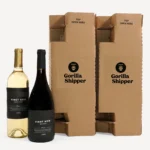
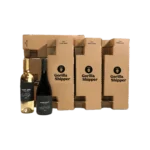
Gorilla Shipper’s pulp shipper range checks every box here. Made in the USA. ISTA certified for shipping performance. It is available in bulk with tiered pricing. Shop Gorilla Shipper’s pulp wine shippers
Molded Pulp Packaging for Other Fragile Products: Beyond Wine
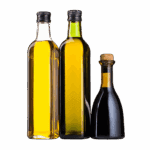
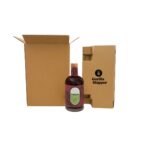
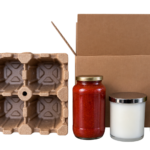
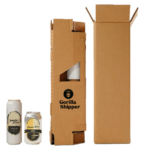
Wine is not the only fragile product category that benefits from molded pulp. Any kind of spirit or tall liquor bottles can benefit from this packaging. Molded pulp is even great to transport condiment jars, hot sauce and olive oil. Pulp insert cavities are shaped to hold both cylindrical and tapered glass formats.
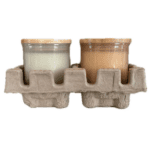
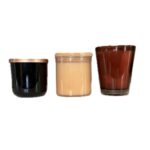
Besides the glass bottles, this packaging fits cylindrical and pillar candle shapes, which reduces the risk of damage caused by vibration during transit.
The thermoformed category of molded pulp, with its smooth finish, is now even replacing PET vacuum-formed trays for glass bottles and jars in the beauty and skin-care industry. It gives brands a premium look without the plastic waste problem.
Gorilla Shipper offers a full range across all of these categories, so whether you’re shipping whiskey or face serum, there is a fitted option ready to go.
What Does Molded Pulp Packaging Cost? (And When Is the Investment Worth It)
Molded pulp is typically priced per unit, and that price drops significantly as you order in bulk. If you are ordering under 200 units, it will cost you more than generic corrugated cell dividers. If you are shipping small batches, this is worth keeping in mind.
Between 200 and 2000 is where it actually becomes cost competitive with EPS foam on a per-unit basis. If you order above 2,000 units, custom tooled molded pulp is generally cheaper than equivalent foam per unit. At this scale, the switch often pays for itself pretty quickly.
However, we also recommend brands beyond just the unit price. Think about it this way, preventing even one damaged shipment can save far more money, complaints, and damage to your brand’s reputation. If you are using foam in regions where restrictions apply, add compliance issues and potential penalties in your cost. Also, one thing that many brands ignore is DM weight while shipping. Molded pulp fits snugly around your product and is lightweight. This means significantly lower bulking, reducing volume and, consequently, dimensional and actual weight.