








What Can You Ship With USPS? Rules and Restrictions You Need to Know
What Can You Ship With USPS? Rules and Restrictions You Need to Know Before you plan to ship any product via USPS, verify whether the product you are shipping is actually eligible. USPS follows strict shipping rules and regulations. Certain products are completely prohibited, whereas other products have specific requirements. Failing to comply with the rules will result in severe consequences.
This blog will be your go-to resource for understanding USPS shipping rules before you ship.
USPS Shipping Restrictions: Prohibited vs Restricted vs Hazmat
USPS breaks everything down into three buckets: prohibited, restricted and hazmat. Prohibited items are an absolute no. No packaging, labeling, or explanation can allow this shipment.
Restricted products fall in the grey area; they are permitted, but only under certain conditions. These include certain goods that are only permissible by ground, goods that have a quantity limit or products that need to be supported by additional documents.
Hazmat is an abbreviation for hazardous materials, which refers to materials that can harm people, if they are not appropriately handled. This includes batteries, aerosols, and dry ice. These materials are only allowed to be shipped with proper packaging and labelling. In most cases, they are only allowed to ship via ground route.
All the rules around the shipment of these items are mentioned in the official rulebook, USPS Publication 52. If you ship regularly, this rulebook is worth bookmarking. This is especially useful because USPS updates its rules periodically.
USPS Prohibited Items: What You Cannot Ship Under Any Circumstances
The prohibited items list is something you definitely should not test shipping. These are banned completely, without any workarounds.
Marijuana tops the list. It doesn’t matter that your state legalized it. Federally, it’s still Schedule I, and USPS follows federal law. The same rule applies for most firearms and ammunition. Even hazardous liquids, mercury, or any live warm-blooded animals cannot be shipped through the mail.
Simply speaking, anything that is illegal under US law or the law of wherever it is headed is prohibited to ship. With AI-enhanced scanning at sorting centers, the prohibition is even more stringent. This tech catches non-compliant packages far faster and more accurately than before.
So if an item is on this list, don’t try to get creative with packaging or labeling. It simply is not going to pass through USPS.
Can You Mail Alcohol Through USPS? (Wine, Beer, Liquor and Spirits)
You cannot ship alcohol through USPS. Not wine, not beer, not liquor, not spirits. There is no gray area or “depends on the state” situation. It is a federal crime under Title 18, Section 1716 of the US Code. There is no exception for one bottle, personal use, or gifts.
The bizarre fact is that even reusing an old wine or beer box to ship something completely unrelated is prohibited under USPS rules. The branding on the box itself is enough to raise a flag, even if there’s no alcohol inside.
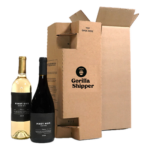
So what do you do if your business actually sells alcohol? FedEx and UPS are the only legal ways to ship alcohol. Both carriers allow alcohol shipments, but only through licensed shipper accounts.
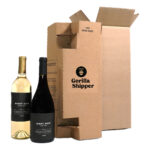
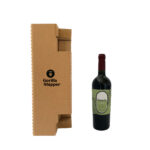
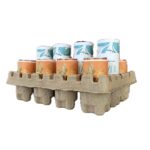
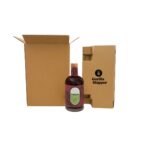
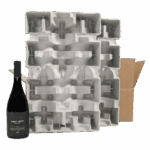
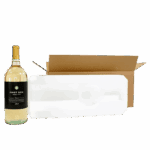
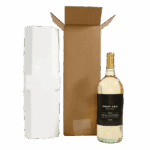
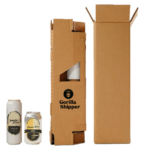
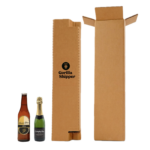
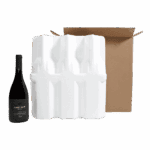
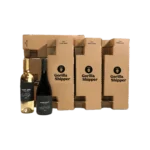
If you are shipping wine or other beverages regularly, packaging becomes a real factor in your success rate. Gorilla Shipper builds wine shipping boxes, beer shippers and other beverage shippers designed specifically for FedEx and UPS carrier compliance. This means fewer damaged bottles, fewer rejected shipments, and less stress.
USPS Hazmat: What You Can Ship by Ground and What Is Banned by Air
Hazmat rules confuse a lot of sellers. Below we have listed a few things that you should know:
- Non-flammable aerosols are ground-only and domestic only. There are no exceptions for international or air shipping.
- Hand sanitizer and other alcohol-based products follow the same pattern. These are fully banned for international shipping, so if you sell hand sanitizer overseas, USPS is not your carrier.
- Batteries follow 2026 PHMSA guidelines that require strict packaging and labeling. If a device is damaged or defective, it can only be shipped via ground.
- Dry ice has a hard cap of 5 lbs for air shipments. It also needs to be labeled as UN1845, and that label needs to appear on two sides of the package, not just one.
- Non-hazardous liquids are allowed, but the container needs to be sealed properly. You also need enough absorbent material packed around it to contain the full volume if the container breaks in transit.
USPS Restricted Items: What You Can Ship With Conditions
Restricted does not mean banned. It means there is a specific set of rules you need to follow exactly.
Perishable food can be shipped, but it needs proper insulated packaging and coolant to survive transit. However, if the contents spoil during shipping, the liability falls on you as the shipper, not USPS.
Hemp-derived products with under 0.3% THC can be shipped domestically, but only with proper licensing documentation. Without that paperwork, USPS treats it exactly like marijuana.
Tobacco has very limited exceptions. It is allowed for adult-to-adult personal gifts only, and it needs the right labeling. This does not apply to businesses.
Prescription drugs can only move through the mail when shipped by a licensed pharmacy or physician directly to a patient. Individual-to-individual shipping of prescription medication is not allowed at all.
Firearms are heavily restricted. The narrow exception here is heirloom or antique firearms manufactured before 1898. However, they must be unloaded, and the package can never have any markings that indicate what is inside.
What Happens If You Ship a Prohibited Item Through USPS?
The days of relying on “it probably won’t get caught” are long gone. With AI-assisted screening, USPS has become much better at spotting prohibited and improperly declared shipments.
If you ship a prohibited item, postal inspectors will seize it and destroy illegal or dangerous items. The USPS Postal Inspection Service is a federal law enforcement agency, and it has the authority to open mail under warrant when something looks suspicious.
If you are caught mailing a prohibited item, you could be fined anywhere from $250 up to $100,000. In addition to being fined, there is also a possibility of paying for any damages or contamination caused by the item. This could also end up being a federal crime.
So, remember to always check Publication 52 before planning to send anything via USPS.