














How to Reduce Shipping Costs for Your eCommerce Business (2026 Guide)
Shipping costs are quietly eating margins across ecommerce right now, and most businesses don’t realize how much until they actually break down the number. It’s not just the carrier rate on the label. It’s the surcharges stacking up, the dimensional weight charges nobody is auditing, and the damaged orders getting reshipped at full cost. Fix the system around shipping, not just the carrier you’re using, and the savings show up on every single order.
Why Your eCommerce Shipping Costs Are Higher Than They Should Be
Average ecommerce shipping cost in 2026 sits between $8 and $15 per order. But factor in surcharges, damaged orders, and returns, and the real cost runs 25 to 40 percent higher than that label price suggests.
Most businesses only optimize the label price and ignore everything upstream. That’s the gap this guide closes. A full-system fix, not another carrier comparison.
How to Lower Shipping Rates Without a Carrier Contract
You don’t need volume or a contract to start saving. Buying postage online instead of at the counter is the simplest win, USPS retail rates are consistently higher than online rates. USPS Click’n’Ship commercial pricing gets you close to negotiated rates without a volume commitment.
Third-party platforms like Pirate Ship, EasyShip, and ShipStation aggregate discounted rates across carriers so you can compare at the point of shipping. And multi-carrier rate shopping is becoming the norm. The cheapest option changes by weight and zone, so shopping per shipment captures savings a single-carrier setup can’t.
Best eCommerce Shipping Companies in 2026: Which One Is Right for Your Business
There’s no single best carrier in 2026. USPS Ground Advantage works well for lightweight parcels and short zones. UPS and FedEx Ground handle heavier commercial shipments more cost-effectively once you’re past the lightweight range. Regional carriers can undercut both for businesses concentrated in specific urban areas.
The multi-carrier approach is standard now because no single carrier wins across every product type, weight, and zone.
How Your Packaging Is Adding to Your Shipping Bill
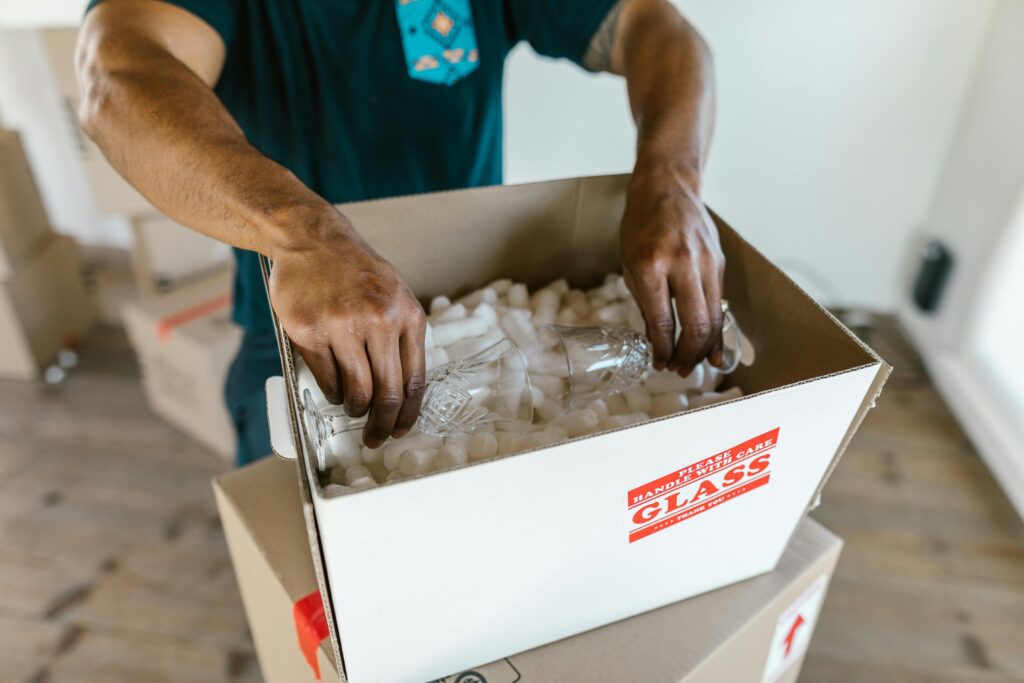
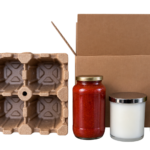
This is the section most cost guides skip. Oversized boxes trigger dimensional weight charges before the carrier even picks up the package. And poorly protected products mean damaged orders, which mean reshipping costs and refunds, effectively doubling the shipping cost for every failed delivery.
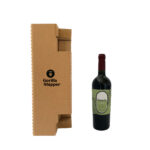
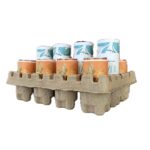
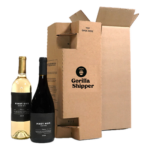
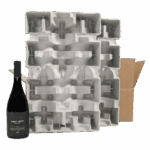
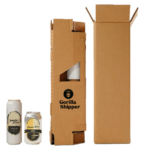
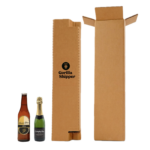
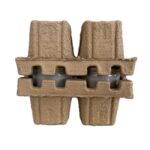
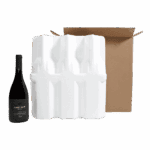
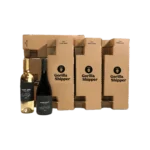
Right-sized, certified packaging fixes both. Gorilla Shipper’s flat-pack, ISTA-certified boxes are sized to the product, which cuts dim weight charges, and built to eliminate movement, which cuts damage-related reshipping.
Free Shipping: How to Offer It Without Destroying Your Margin
The AOV threshold model is the most common approach, set a minimum order value so the shipping cost gets absorbed by margin on a larger order rather than eaten on a small one. Building shipping cost into product pricing is the other route, the cost is baked in upfront instead of absorbed at checkout. Flat-rate shipping works when your order profile is consistent enough to balance out.
Blanket free shipping on fragile or heavy products destroys margins fastest. The right packaging spec is often what makes free shipping viable on those products at all.
How to Negotiate Lower Shipping Rates With UPS and FedEx
Once you’re shipping 500+ orders a month, direct negotiation becomes worth it. Bring monthly volume, average weight, and zone mix, that’s what gives the carrier room to discount. If you’re not at that volume yet, 3PL bulk rates get you closer without needing it alone.
And keep tracking carrier changes. FedEx ran three rate changes in Q1 2026, UPS adjusted fuel surcharges in March, USPS added a time-limited surcharge in April. Rates move multiple times a year now, so a negotiated rate from a year ago may already be stale.