




eCommerce Packaging Guide: Everything DTC Brands Need to Know
Most DTC brands treat ecommerce packaging as an afterthought, something to sort out once the product and the ads are working. But it’s not just protection. It affects shipping cost, damage rates, repeat purchases, and how the customer perceives your brand the moment the box lands on their doorstep. Get the packaging decision right and it pays back on every single order.
Why eCommerce Packaging Is a Business Decision Not a Logistics One
72% of consumers say packaging design influences their repurchase decision. And the wrong choice costs $0.50 to $3.00 per order in avoidable shipping charges alone, before damage claims and returns even enter the picture.
Every damaged order effectively doubles your shipping cost, you pay to send it, then pay to fix it. The right ecommerce packaging reduces dim weight charges, cuts damage rates, and gives customers a clean unboxing experience that reinforces the brand they just bought from.
Types of eCommerce Packaging: Which Format Is Right for Your Product?
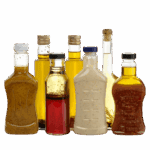
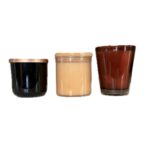
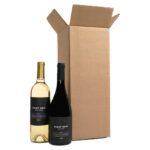
Corrugated boxes and poly mailers cover over 80% of ecommerce shipments, but they’re not interchangeable. Corrugated is the standard choice for shipping anything rigid, fragile, or heavy, glass, ceramics, food and beverage, candles. Poly mailers work for soft goods and apparel and have no place near glass or liquid.
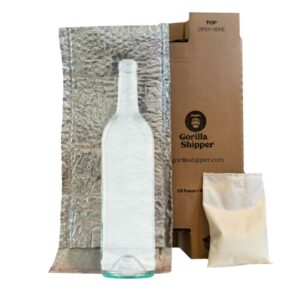
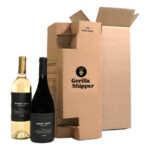
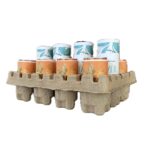
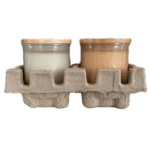
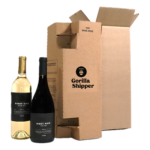
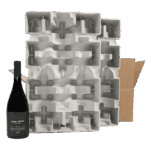
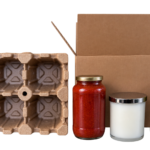
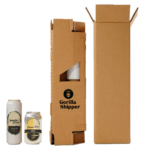
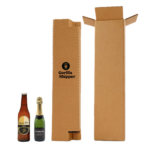
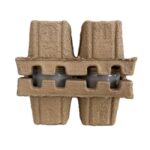
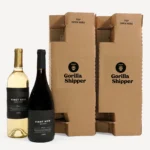
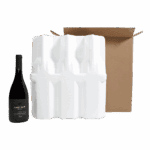
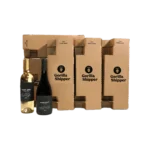
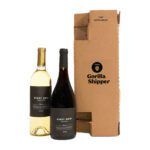
For bottles, jars, and cans, the molded pulp insert is the most important piece of the whole system. The outer carton handles external impact, the insert holds the container fixed with no movement and no contact between neighbors. Gorilla Shipper specializes in exactly this combination for fragile and liquid DTC products.
eCommerce Boxes: How to Choose the Right Size and Strength
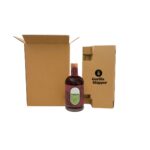
Three things determine performance: size, wall strength, and inner protection. Carriers bill whichever is higher between actual weight and dimensional weight, so an oversized box costs you before the product even ships.
Single-wall corrugated works for light products on short routes, double-wall handles heavier products and longer transit. Void fill is not an insert system, it doesn’t hold a bottle in place. A fitted molded pulp or corrugated insert does, and that’s what actually prevents breakage.
Sustainable eCommerce Packaging: What DTC Brands Need to Know in 2026
67% of US online shoppers under 40 factor sustainability into purchase decisions now. But recyclable and compostable aren’t the same thing, compostable often needs industrial facilities most consumers don’t have access to.
Corrugated cardboard is one of the most recycled materials in the world. Gorilla Shipper’s boxes are recyclable, made in the USA, and built to work as a complete recyclable system from shelf to curbside bin.
eCommerce Packaging for Fragile and Liquid Products: The Specialist Case
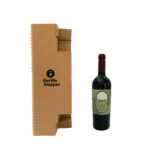
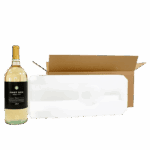
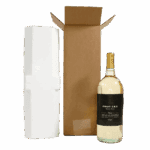
Standard formats weren’t built for glass. A poly mailer won’t protect a wine bottle, and neither will a generic box with crumpled paper. The Hexabox is Gorilla Shipper’s patented insert system where the hexagonal geometry distributes impact evenly around the bottle instead of concentrating it at one point.
ISTA 6-FedEx-A certification means the packaging has been independently tested, not just described as durable.
How eCommerce Packaging Affects Your Shipping Costs
The box price isn’t the real cost. It’s box price plus dim weight surcharges plus damage rate. Oversized boxes trigger DIM charges on every order, and damaged orders double your shipping cost outright.
Gorilla Shipper’s tiered pricing runs from Bronze at $1,000 (10% off) through Silver at $2,000 (12% off) to Gold at $3,000+ (15% off). For brands at any real volume, right-sized packaging is an operational cost lever, not a marginal one.
eCommerce Packaging Trends DTC Brands Should Know in 2026
Sustainable packaging is the floor now, not a differentiator. USPS is changing its DIM divisor effective July 2026, which means some previously fine box sizes will get more expensive. And product-specific protective packaging is replacing generic corrugated with void fill across food and beverage DTC, the brands with the lowest damage rates already made that switch.